Travellers in conical hats waving from round basket boats in the Hoi An coconut forest

Best Time to Visit Hoi An

Weather, seasons and festivals, month by month

Hoi An has two seasons: a long dry season from February to August and a rainy season from September to January, with floods most likely in October and November. Here is what each month is really like, and how to plan your tours around it.


The short answer

February to April is the best time to visit Hoi An for most people: dry, sunny, warm rather than hot, and green after the rains. May to August is hot (often 34°C and above) but sunny and reliable, the best time for the beach and the Cham Islands. September to December is the rainy season; October and November bring the heaviest rain, occasional typhoons and floods in the riverside streets of the Old Town.

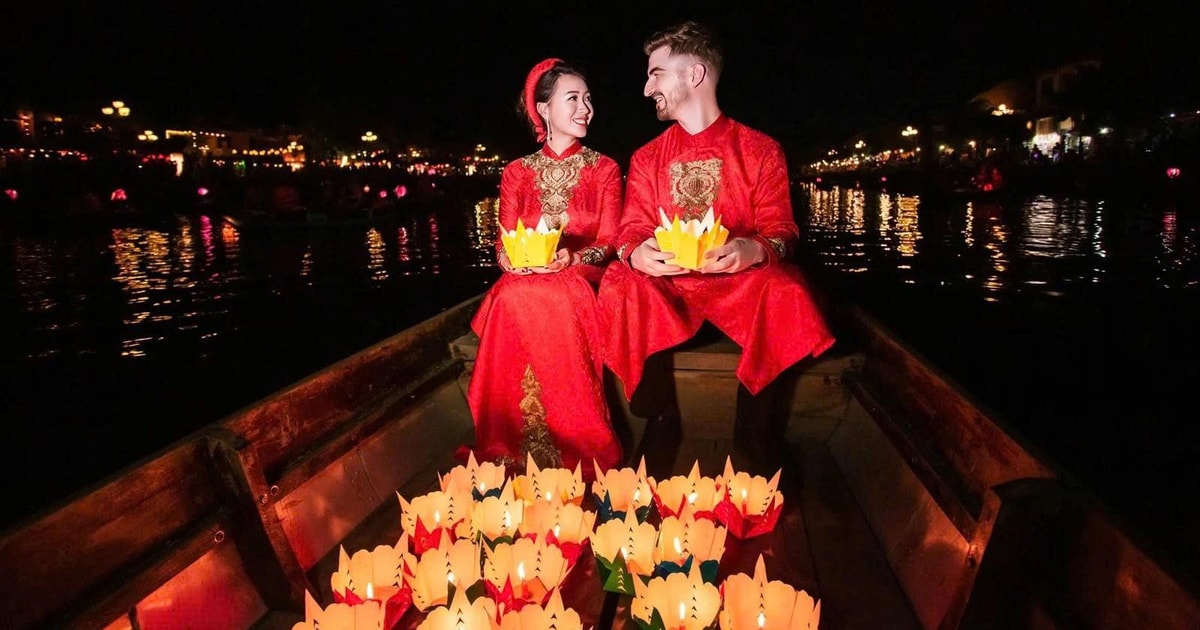
Lantern nights happen every month. Whatever your dates, check our lantern festival calendar: the full-moon evening is the most atmospheric night of the month in any season.

Hoi An weather month by month

MonthAverage highRainfallWhat to expect
Januaryabout 25°Cabout 100 mmCool and cloudy, light drizzle; the end of the wet season
Februaryabout 26°Cabout 30 mmPleasant and drying out; Tet (Lunar New Year) often falls here
Marchabout 28°Cabout 20 mmOne of the best months: dry, sunny, not too hot
Aprilabout 30°Cabout 30 mmExcellent, warmer; the sea is calm for the Cham Islands
Mayabout 33°Cabout 60 mmHot and sunny, the odd afternoon storm
Juneabout 34°Cabout 90 mmHot, humid, beach season; busy with domestic tourists
Julyabout 34°Cabout 90 mmHot; plan outdoor tours for early morning
Augustabout 34°Cabout 100 mmHot, more thunderstorms towards the end of the month
Septemberabout 32°Cabout 350 mmThe rainy season begins; still many sunny mornings
Octoberabout 29°Cabout 600 mmThe wettest month; flood and typhoon risk
Novemberabout 27°Cabout 370 mmVery wet, flood risk; quiet and cheaper
Decemberabout 25°Cabout 200 mmCooler, showery, improving through the month

Long-term averages for the Da Nang weather station, 30 km from Hoi An, rounded. Single years vary a lot.

The rainy season and floods

From September to December, central Vietnam catches the north-east monsoon and the tail of the Pacific typhoon season. Rain usually comes as heavy showers rather than all-day downpours, and most tours still run. The exception is flooding: after several days of heavy rain, the Thu Bon River can rise into the streets along the waterfront, most often in October and November. Locals then move around by boat, shops lift their goods upstairs and the water usually drops again within a day or two.

Festivals and busy periods

The best time for each tour

TourBest monthsWhy
Ba Na HillsFebruary–AugustClear views from the cable car; the peak is often in cloud in the wet season
Cham IslandsMarch–SeptemberCalm sea and clear water; trips rarely run in winter
My SonAll year, at sunriseAvoids the heat in summer and most showers in winter
Hai Van PassFebruary–AugustThe pass is often in fog and drizzle from October to January
Basket boatsAll yearShort and easy to move to a dry hour

Tours for every season

A dry-season highlight, two classes for rainy afternoons and a river ride that works all year.

Speedboat and clear water off the Cham Islands near Hoi An
March–September only

Cham Island Small-Group Snorkelling Trip by Speedboat

★★★★★ 4.5 · 693 reviews

  • from $63
  • Small group

A speedboat day to the Cham Islands marine park with snorkelling on the coral, a fishing village and beach time, in a smaller group than the mass-market trips. Runs only in the calm-sea season.

Check availability
Iced Vietnamese coffee made during a coffee class in Hoi An
Rainy-day favourite

Vietnamese Coffee Culture & Coffee Making Class

★★★★★ 4.9 · 5,634 reviews

  • 2 hours
  • from $14
  • Old Town

Two hours in a small Old Town workshop learning how Vietnam drinks its coffee: phin-filter drip coffee, egg coffee, coconut coffee and salt coffee, made by you and tasted on the spot. A lovely rainy-afternoon activity and one of the highest-rated classes in town.

Check availability
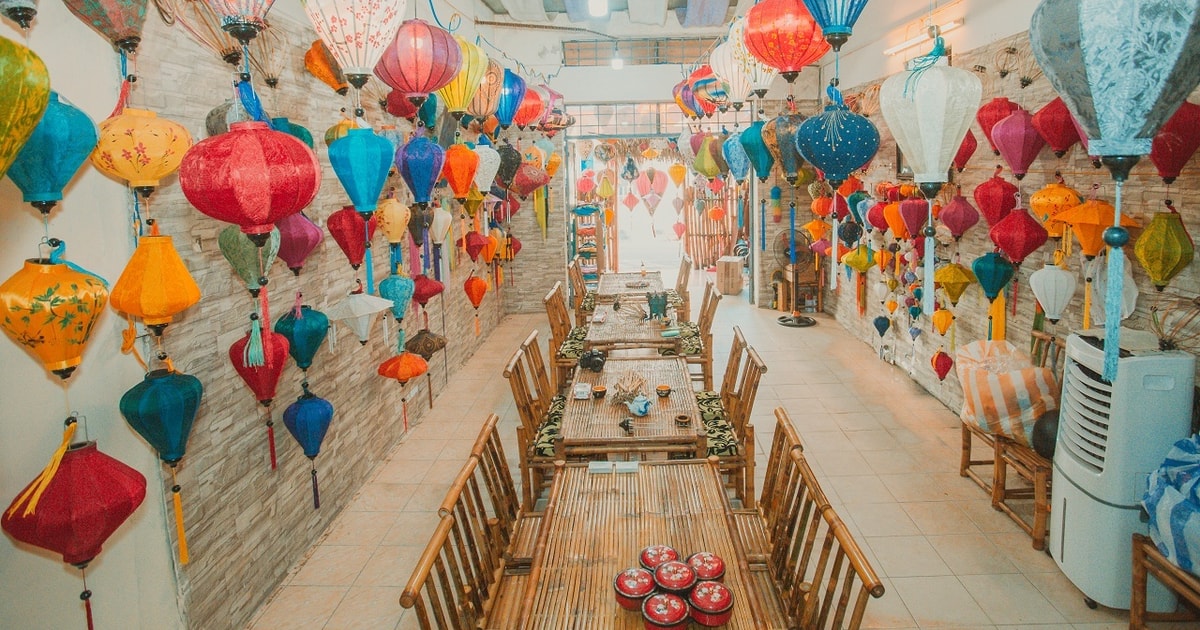
Colourful silk lanterns made in a lantern-making class in Hoi An
Indoors

Vietnamese Foldable Lantern Making Class

★★★★★ 4.9 · 4,678 reviews

  • 1.5–2 hours
  • from $10
  • Take your lantern home

Build your own silk lantern in a small Old Town workshop, from bamboo frame to silk panels. The lantern folds flat for your suitcase. Easy, calm and a great keepsake from Hoi An.

Check availability
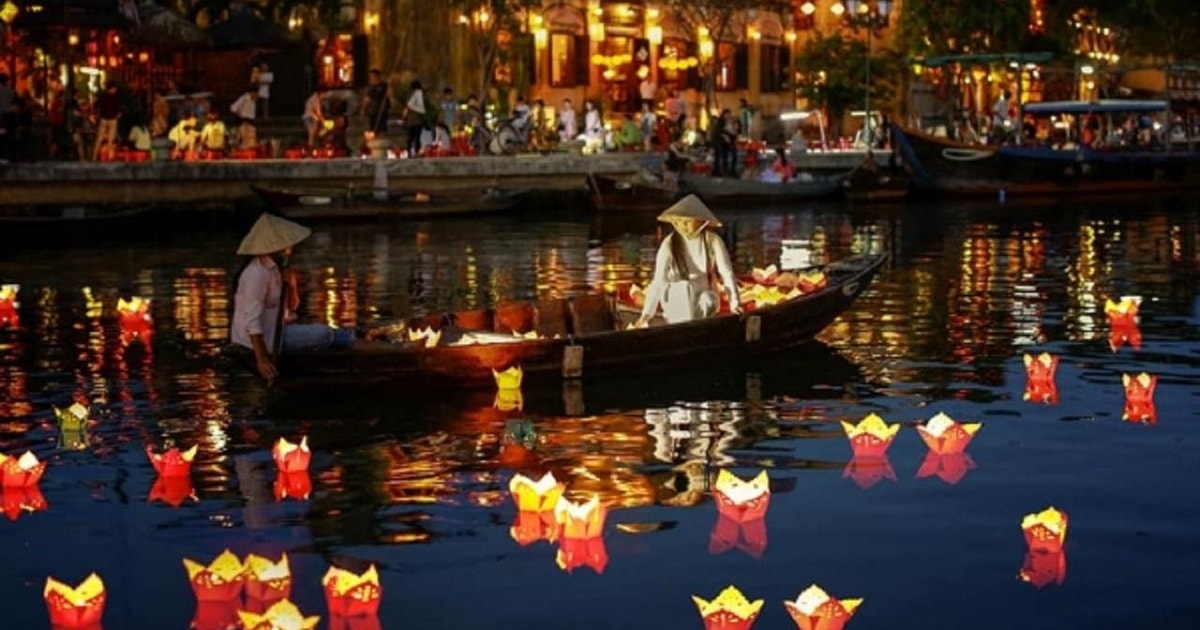
Wooden boat and floating paper lanterns on the Hoai River at night in Hoi An
All year

Hoai River Night Boat Ride with Floating Lantern

★★★★★ 4.5 · 3,506 reviews

  • 15 minutes
  • from $8
  • Evening

A short wooden-boat ride on the river past the lit-up Old Town, ending with a paper lantern you set on the water. Book it for the full-moon lantern nights or any evening; it is the one experience almost every visitor to Hoi An does.

Check availability

Questions travellers ask

March and April are the best all-round months: dry, sunny and not yet too hot. February is also very good, apart from the days around Tet.

From September to December (sometimes into January), with the heaviest rain and flood risk in October and November.

Yes, if you are flexible: it is quieter and cheaper, and most days still have dry spells. Keep a day spare in case a flood or storm cancels a trip.

Usually from March to September, when the sea is calm. Outside that period trips are often suspended.

Found your dates? Compare the tours